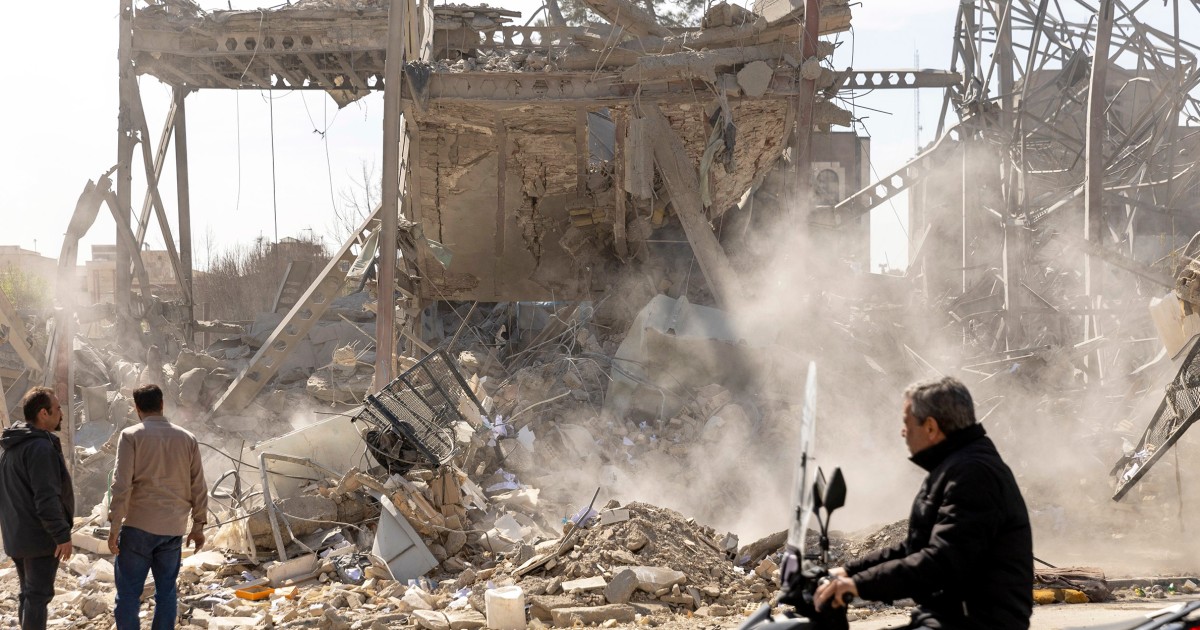
Recent Middle East war news paints a stark picture of a region teetering on the brink, with escalating military actions causing widespread human suffering and economic disruption. The conflict, initially localized, has rapidly broadened its scope, drawing in multiple regional and international actors. From critical maritime chokepoints facing unprecedented gridlock to mass displacements of civilians, the ripple effects are profound and far-reaching. This comprehensive overview delves into the immediate impacts, strategic implications, and the daunting humanitarian challenges posed by the ongoing Middle East war.
A Region on Edge: The Sprawling Conflict and Its Human Toll
The intensity of the Middle East conflict has escalated dramatically, with military actions extending across multiple fronts. The Israel Defense Forces (IDF) have reported intercepting new missile barrages from Iran, a clear sign of the expanding theater of engagement. Simultaneously, Gulf states like Saudi Arabia, Qatar, and Bahrain have confirmed intercepting overnight attacks, underscoring the regional nature of Iran's retaliatory strikes. These Iranian actions, reportedly claiming the lives of 168 people in a single attack, demonstrate a significant escalation from Tehran, which appears willing to absorb substantial blows while inflicting pain on its adversaries.
The human cost of this conflict is tragically mounting. Beyond the reported casualties in Iran, estimates indicate that 11 people have been killed in Israel and a staggering 555 in Iran, including dozens of schoolchildren and several high-profile officials. The conflict has also claimed the lives of U.S. service members, with four reportedly killed in an Iranian attack on a U.S. base in Kuwait, signaling the direct involvement and peril for international forces. The BBC's James Waterhouse reported from border regions after US-Israeli strikes on Iran, highlighting the immediate and visceral impact on communities caught in the crossfire. Civilians across the region are facing daily strikes and security crackdowns, forced to cope with the trauma while desperately trying to maintain contact with loved ones amidst the chaos.
Escalation Dynamics and Regional Retaliation
- Iranian Retaliation: Following initial US-Israeli strikes, Iran has launched retaliatory attacks across the region, targeting energy facilities in Qatar and Saudi Arabia, as well as U.S. bases and sites within Israel. This tit-for-tat escalation has deeply tarnished the image of Gulf states as safe and prosperous havens.
- Hezbollah's Involvement: The Lebanese militant group Hezbollah has also launched attacks on Israel in support of Iran, triggering fresh mass displacements and Israeli bombing raids across Lebanon, much to the fury of many Lebanese citizens.
- Naval Engagements: Reports from President Donald Trump indicated that nine Iranian navy ships have been "knocked out," signifying a significant maritime dimension to the conflict, especially in the strategically vital waters of the Persian Gulf.
The Economic Chokepoint: Strait of Hormuz Gridlock
One of the most immediate and globally significant impacts of the escalating Middle East war is the severe disruption to shipping traffic in the Strait of Hormuz. This narrow waterway, nestled between Iran and Oman, is a critical chokepoint through which approximately one-fifth of the world's total oil consumption, and a substantial portion of its liquefied natural gas, passes daily. A timelapse of marine traffic vividly illustrates the severe slowdown in the flow of ships, pushing global energy markets into a state of heightened anxiety.
The implications of this gridlock are monumental. Any significant disruption to the Strait of Hormuz can send crude oil prices soaring, destabilize global economies, and trigger a cascading effect on supply chains worldwide. Countries heavily reliant on Middle Eastern oil and gas, such as China, are already feeling the ripples, even if not yet the full shock of war. While China is reportedly not feeling the direct impact "yet," the slowing traffic in such a crucial artery serves as a stark warning of potential future disruptions to its energy security and global trade. The ability to ensure safe passage through Hormuz is now a paramount concern for international commerce and a flashpoint for potential further escalation.
Mass Displacement and the Deepening Humanitarian Crisis
Beyond the economic impacts, the ongoing Middle East war has precipitated a severe humanitarian crisis marked by mass displacement. The Israeli military has issued unprecedented warnings, instructing civilians in large swathes of southern Lebanon to evacuate their homes immediately as it steps up its strikes. This has led to scenes of chaos, with huge traffic jams forming as hundreds of thousands flee Hezbollah strongholds, desperately seeking safety from the impending bombardment.
The BBC's Jon Donnison reported hearing what sounded like a "full-on gun battle" from the Israeli town of Metula on the border with Lebanon, painting a grim picture of the intensity of the fighting. For many Lebanese, these Israeli actions and the subsequent displacements ignite profound anger, placing immense strain on already fragile communities. Similarly, Iranians fleeing their country have shared harrowing accounts of life under constant bombardment, highlighting the psychological and physical toll of the conflict on ordinary citizens. The deliberate targeting or endangerment of civilian populations exacerbates the crisis, creating a generation scarred by trauma and displacement. Providing humanitarian aid and safe passage for those fleeing conflict zones becomes an urgent, yet incredibly challenging, task amidst active hostilities.
Strategic Maneuvers and the Uncertain Path Forward
The strategic landscape of the Middle East war is complex and fraught with uncertainty. Tehran's approach, as observed by BBC Persian's Amir Azimi, appears rooted in a belief that it can absorb strikes longer than its adversaries can sustain the pain and costs. This "absorption strategy" suggests a willingness to endure significant damage in the hope of outlasting opponents, potentially leading to a prolonged and attritional conflict. The role of weapons stocks, as noted by the BBC's Jonathan Beale, is undoubtedly a significant factor, but not the sole determinant of the war's outcome, implying that willpower, alliances, and popular support also play crucial roles.
International efforts to de-escalate the conflict have yielded mixed results. President Donald Trump, for instance, appeared to float an "off-ramp" by suggesting a willingness to speak to Iran's new leadership following reports of the death of Supreme Leader Ayatollah Ali Khamenei and dozens of Iranian officials. However, Iran's top national security official, Ali Larijani, swiftly rejected negotiations with the United States on social media, indicating a firm stance against dialogue under current conditions. Meanwhile, domestic political dynamics also play a role; a measure passed largely along party lines in the U.S. Congress aims to halt American military action until approved by legislative bodies, reflecting internal divisions over foreign policy. As Israel continues strikes across Iran and Lebanon, and former President Trump warns that action could continue for weeks, the future remains highly unpredictable. Combatants on all sides know how they would like the war to end, but the path to any resolution is murky, intertwined with geopolitical ambitions, regional rivalries, and the immense human suffering already inflicted. For more context on potential diplomatic avenues, read Middle East War: Trump's Off-Ramp Amid Tehran's Absorption Strategy.
Conclusion
The Middle East war has rapidly escalated beyond localized clashes, transforming into a comprehensive regional crisis with devastating impacts. From the unprecedented gridlock in the vital Strait of Hormuz threatening global energy supplies, to the tragic mass displacement of civilians across Lebanon and Iran, the consequences are profound and multifaceted. The human toll, marked by significant casualties on all sides, underscores the urgent need for de-escalation. While strategic maneuvers and a belief in the ability to absorb strikes define aspects of the conflict, the immense human cost and global economic instability demand a concerted international effort towards peace and stability. The unpredictability of the conflict's trajectory means that continued vigilance, diplomatic engagement, and humanitarian support remain paramount as the region grapples with an uncertain and perilous future.